UK Mobile App Interfaces Reshaping Blackjack Hand Analysis Through Integrated Bonus Tracking Tools
Taylor Werner · Jun 7, 2026
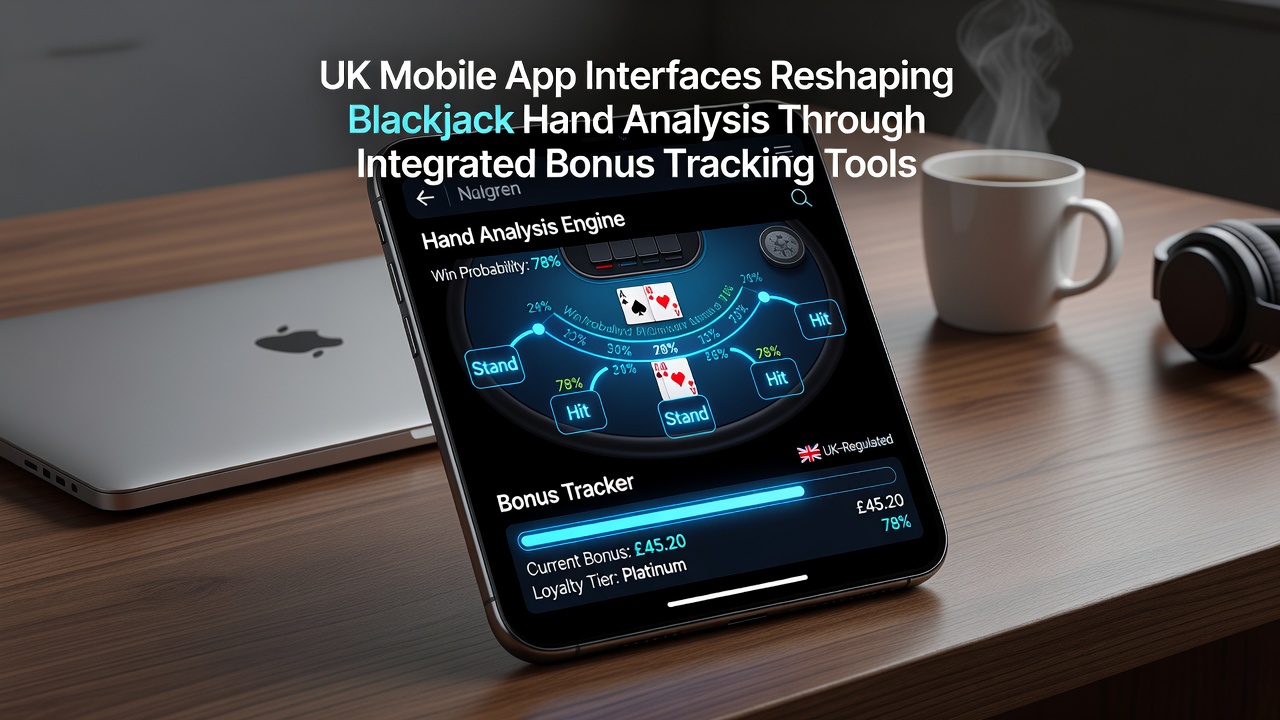
UK Mobile App Interfaces Reshaping Blackjack Hand Analysis Through Integrated Bonus Tracking Tools
UK-based mobile applications for blackjack have evolved to merge hand analysis functions with bonus tracking mechanisms, and this combination delivers layered data overlays that update during live sessions while players monitor wagering requirements and optimal decision prompts side by side. Developers achieved this by embedding algorithmic modules that pull real-time bonus progress metrics directly into the decision matrix, so users see suggested moves adjusted for remaining playthrough conditions without switching screens.
Interface Evolution in UK Blackjack Applications
Early mobile platforms presented separate tabs for game strategy and promotional ledgers, yet recent builds consolidate these streams into unified dashboards that refresh every hand. Observers note that such consolidation reduces navigation steps, which in turn lets players maintain focus on table dynamics while bonus meters tick downward in the same view. Data from industry reports shows that adoption of these merged views increased across major UK-facing platforms between 2024 and 2025, driven by user demand for consolidated information streams.
Design teams achieved tighter integration through API connections that link casino backend servers with front-end analytics engines, and these connections feed variables such as bonus multiplier status, eligible game contributions, and remaining wagering thresholds straight into the hand-evaluation display. As a result, the interface can flag when a particular split or double-down aligns with bonus completion targets, presenting that information alongside standard probability readouts.
Bonus Tracking Layers and Real-Time Hand Evaluation
Integrated tools calculate how each decision affects both expected value and bonus progress in one calculation pass, and this simultaneous computation appears as color-coded indicators that shift as the shoe progresses. Researchers at several gaming technology firms have documented that these indicators draw from stored session histories, allowing the system to recall prior hands and adjust recommendations when bonus conditions change mid-session.
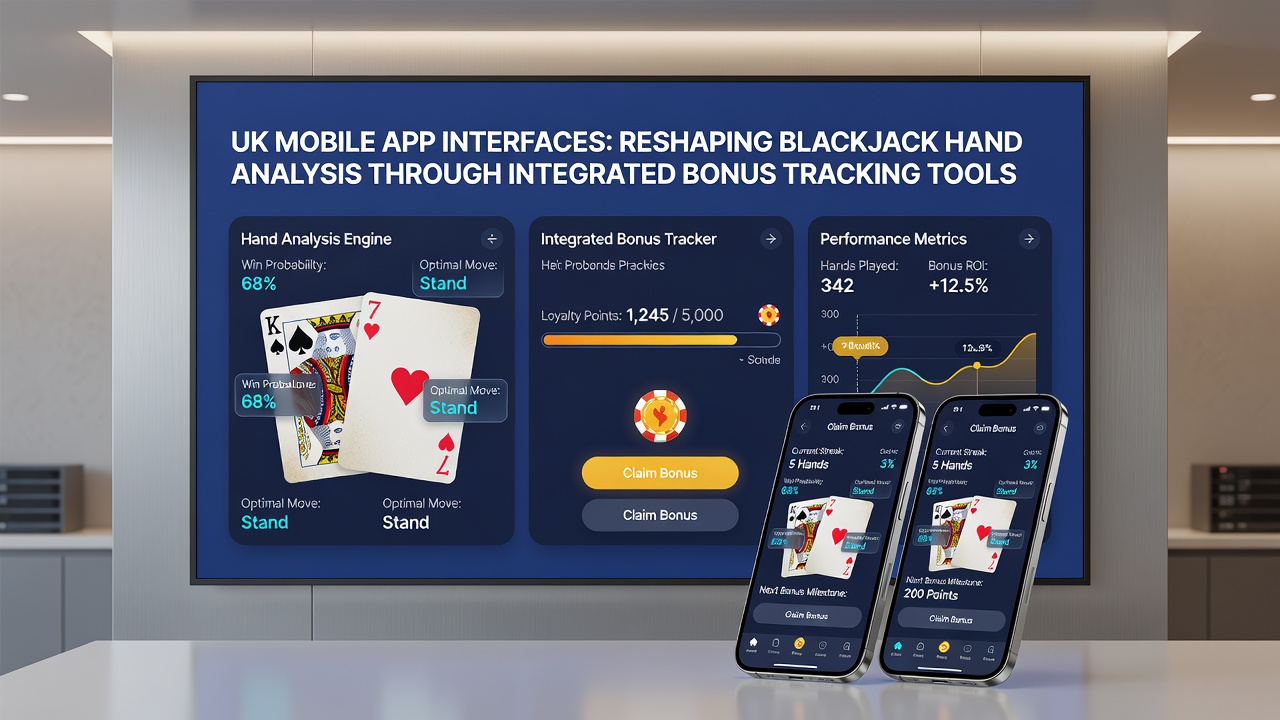
Take the example of an application that registers a 40x wagering requirement on an initial deposit bonus, then overlays that figure onto the hand summary panel so the player sees exactly how many more qualifying rounds remain after each outcome. The same panel can highlight whether insurance or surrender options carry different weight once bonus depletion rates enter the equation, and this dual-layer presentation emerged as a standard feature in several updates rolled out before June 2026.
Data Inputs Driving Combined Analysis
Applications gather inputs from multiple sources including live game logs, player account ledgers, and promotional terms stored in cloud repositories, then route those inputs through a single processing pipeline that outputs unified suggestions. According to figures released by the Responsible Gambling Council, mobile sessions that incorporate such combined tracking show measurable differences in session length and decision patterns compared with sessions that keep the data streams separate.
Engineers at development studios have refined the weighting formulas so that bonus-related variables receive adjustable priority levels set by the user, which means experienced players can emphasize raw probability while newer users can weight bonus completion more heavily. This flexibility appears in settings menus that let individuals calibrate the influence each factor exerts on the displayed recommendation.
Implementation Patterns Across Major Platforms
Several leading UK-accessible applications adopted modular code structures that allow bonus trackers to plug into existing hand-analysis libraries without requiring full rewrites, and this modular approach speeds deployment when regulatory terms around promotions shift. One documented case involved a platform that synchronized its bonus meter with live dealer streams, enabling the interface to pause analysis prompts during shuffles while continuing to track elapsed wagering time.
Additional refinements include export functions that compile session summaries combining hand histories with bonus usage logs, and these exports support external review by players who wish to examine long-term patterns. The same summaries feed back into machine-learning models that refine future recommendations based on aggregated anonymized data.
Regulatory Context and Technical Standards
Compliance frameworks in multiple jurisdictions require transparent display of bonus terms within game interfaces, and UK-facing apps meet these rules by surfacing the relevant figures directly beside analytical readouts rather than in hidden menus. A report issued by the Australian Gambling Research Centre examined similar interface designs and noted that visible integration correlates with clearer user comprehension of playthrough mechanics across tested cohorts.
Technical standards bodies have begun outlining recommended API endpoints for bonus data exchange, which should further streamline how third-party analysis modules interact with operator systems. These standards focus on latency thresholds and data accuracy checks that keep the overlaid metrics synchronized with live table events.
Conclusion
UK mobile app interfaces continue to embed bonus tracking directly into blackjack hand analysis workflows, producing a single environment where players access probability guidance and promotional status simultaneously. The technical architecture supporting this integration relies on real-time data pipelines and modular design choices that accommodate evolving promotional structures, while documented platform updates through June 2026 illustrate ongoing refinement of these combined tools.