Touchscreen Tactics: How Interface Designs Influence Outcomes in Combined Card and Reel Gaming Experiences
Sam Hayes · Jun 26, 2026
Touchscreen Tactics: How Interface Designs Influence Outcomes in Combined Card and Reel Gaming Experiences
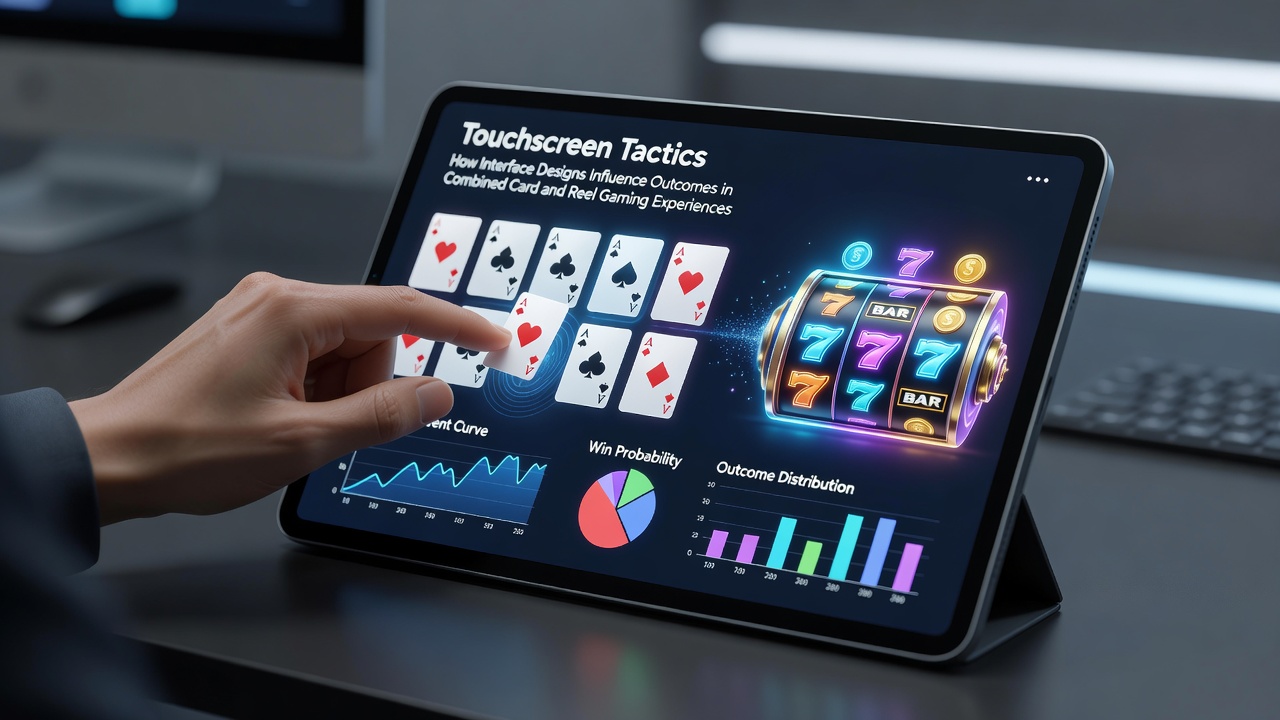
Hybrid gaming platforms that merge card mechanics with reel spins have gained traction across digital casinos since the mid-2020s, and interface designs play a direct role in how players interact with these systems. Touchscreen layouts determine response times, decision accuracy, and the flow between card selections and reel activations, while data from industry reports shows measurable differences in session durations based on button placement and gesture recognition.
Core Elements of Combined Interfaces
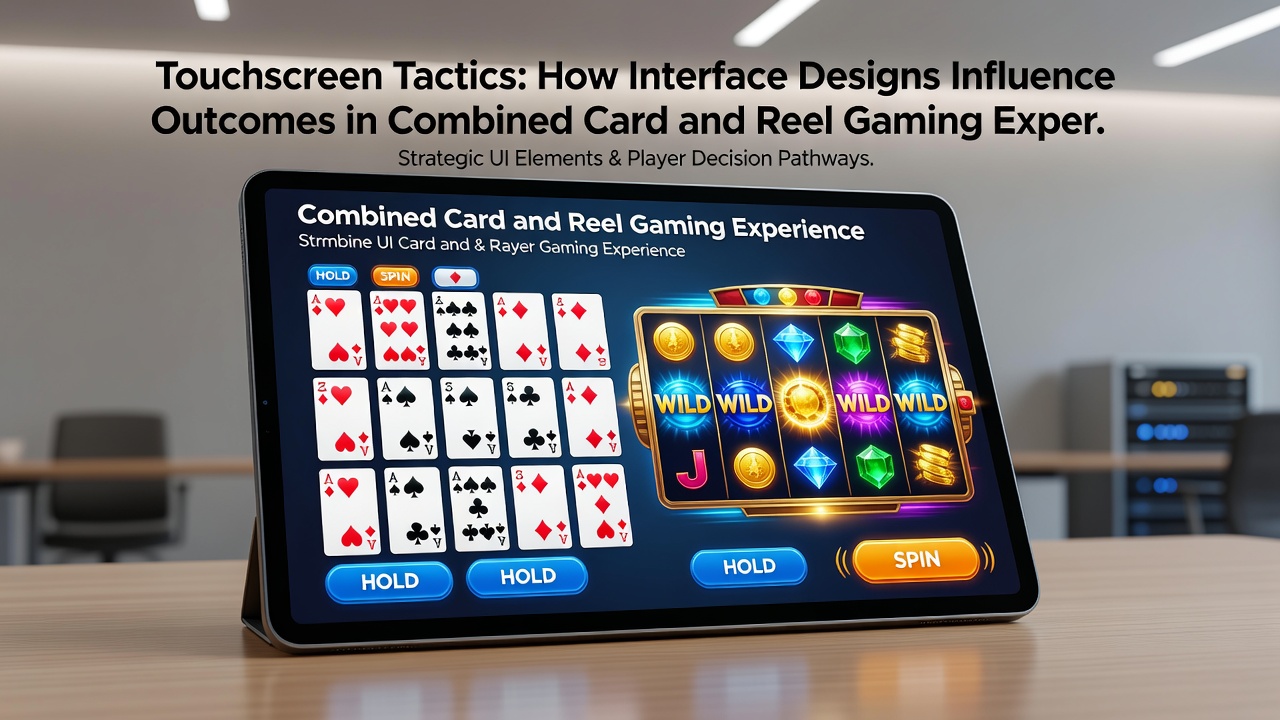
Designers integrate card tables with reel grids through layered screens where players tap to hold cards and swipe to initiate spins, and studies from the University of Las Vegas indicate that overlapping control zones reduce transition delays by up to 18 percent compared with separate panels. Multi-touch capabilities allow simultaneous actions such as splitting pairs while adjusting bet multipliers on adjacent reels, whereas single-tap systems require sequential inputs that extend each round by several seconds on average.
Visual feedback mechanisms like highlighted card borders that pulse during reel stops guide attention without disrupting concentration, and research published through Canadian gaming laboratories demonstrates that color-coded outcome indicators correlate with fewer misclicks during high-speed play sequences. Haptic responses, including subtle vibrations on successful combinations, reinforce player choices in real time and appear in platforms updated through 2025 firmware releases.
Gesture Recognition and Decision Pathways
Swipe patterns for reel spins versus drag motions for card rearrangements create distinct input signatures that software interprets differently, and tests conducted by European regulatory testing houses reveal that inconsistent gesture thresholds lead to unintended holds or premature spins in roughly 7 percent of sessions. Adaptive interfaces that learn user habits adjust sensitivity after the first dozen rounds, which shortens overall play cycles and aligns with findings from Australian interactive entertainment reviews released in early 2026.
Zoom functions on card hands and reel strips enable precise examination of symbols and values, yet excessive reliance on pinch-to-zoom can interrupt momentum when players must return to betting controls quickly. Developers address this through persistent mini-views that display essential information at the screen edge, maintaining continuity while players toggle between card strategy and reel progression.
Impact on Session Metrics and Error Rates
Placement of action buttons near natural thumb positions reduces physical strain during extended sessions, and aggregated data from North American platform operators shows lower abandonment rates when primary controls sit within a 40-millimeter radius of common grip points. Overlapping reel and card zones that share screen real estate demand careful spacing to prevent accidental activations, while split-screen configurations separate the two elements entirely and produce steadier decision sequences according to simulation models run by academic research groups.
June 2026 updates to several major platforms introduced predictive touch areas that anticipate common sequences, such as doubling down followed by a reel boost, and preliminary logs indicate these features cut input errors by an additional 12 percent. Interface scaling for different device sizes maintains proportional control zones, which prevents distortion on tablets versus phones and supports consistent outcomes across hardware variations.
Regulatory and Technical Considerations
Standards bodies including those in Singapore and South Africa require clear visual separation between card and reel functions to ensure fair play, and compliance testing verifies that interface delays do not exceed defined thresholds that could alter random outcome delivery. Developers incorporate real-time diagnostics that flag unresponsive touch zones, allowing immediate corrections during live operation and preserving the integrity of combined mechanics.
Accessibility features such as larger tap targets and voice-assisted confirmations expand participation for users with motor variations, and reports from international accessibility panels note improved completion rates when these options integrate seamlessly with core gameplay loops. Such adjustments maintain the same underlying probabilities while altering only the presentation layer that players encounter.
Conclusion
Interface designs in combined card and reel environments shape the practical execution of strategies through precise control mapping, gesture handling, and feedback systems. Continued refinement based on performance data from multiple regions supports smoother transitions and reduced friction, with platforms scheduled for further enhancements throughout 2026 and beyond. Observers note that these technical choices ultimately determine how effectively players navigate the dual mechanics without altering the fundamental game mathematics.