The Subtle Influence of Random Shuffles on Decision Timing in Britain's Regulated Digital Card Environments
Yves Hayes · Jun 12, 2026
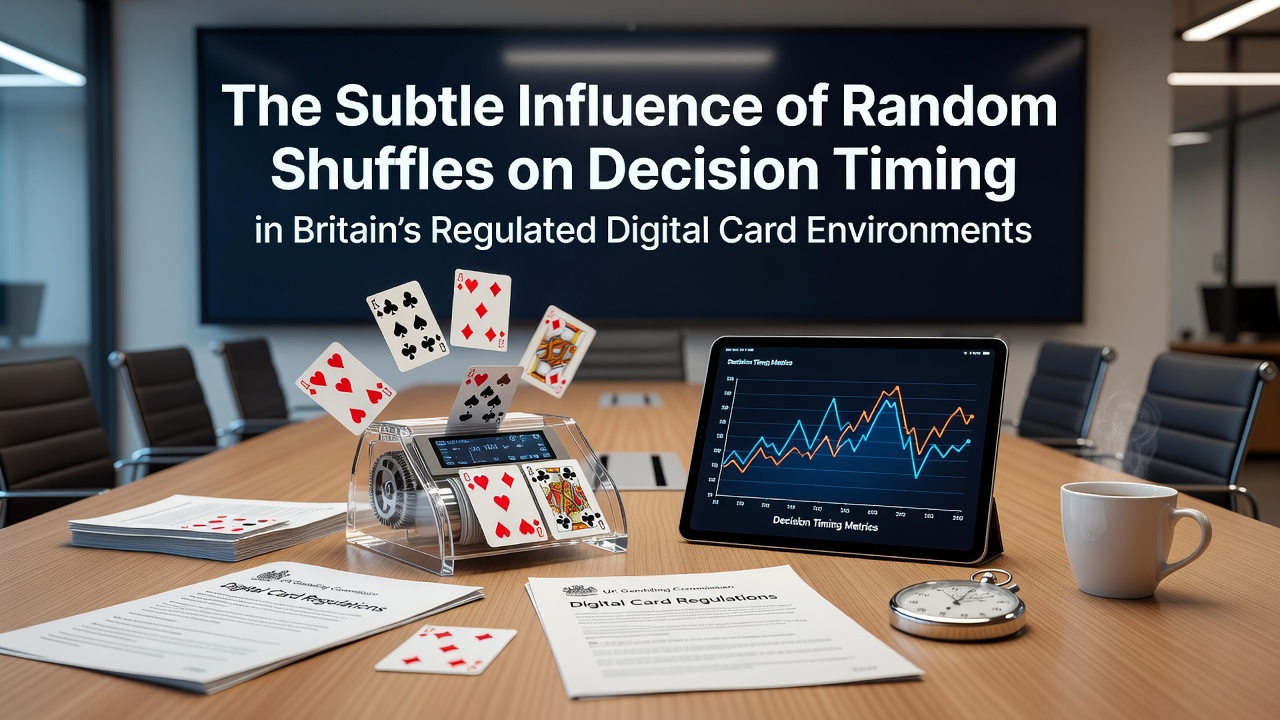
The Subtle Influence of Random Shuffles on Decision Timing in Britain's Regulated Digital Card Environments
Britain's regulated digital card environments rely on sophisticated algorithms to replicate physical shuffling processes, yet these systems introduce nuanced effects on how participants time their choices during play. Researchers have examined these mechanisms closely because the randomness embedded in each shuffle cycle can shift the rhythm of decision points without players realizing the underlying patterns at work.
Mechanics of Random Number Generation in Digital Cards
Digital platforms employ pseudorandom number generators that determine card order after each round completes, and these generators follow strict certification standards set by independent testing laboratories. The process begins when a player initiates a new hand, at which point the system pulls from a continuously cycling sequence to produce an unpredictable arrangement. Observers note that this method avoids the physical constraints of manual shuffling while still meeting fairness criteria outlined in various international gaming protocols.
Timing enters the equation because the moment a shuffle completes influences the window available for subsequent actions. Shorter intervals between shuffles can compress the period players have to evaluate options, whereas extended cycles allow more deliberate pacing. Data from controlled simulations indicate that these variations, though measured in milliseconds, accumulate across extended sessions and alter the overall tempo of engagement.
Regulatory Standards Across Jurisdictions
British operators must align their systems with requirements that emphasize verifiable randomness and audit trails. Reports from the Nevada Gaming Control Board highlight comparable benchmarks used in other markets, where algorithms undergo periodic reviews to confirm they produce statistically independent outcomes. These evaluations focus on long-term distribution rather than individual shuffle events, which leaves room for subtle timing variations to persist undetected in daily operation.
Similar frameworks appear in Australian oversight documents, which stress continuous monitoring of random processes through automated logs. When regulators compare shuffle frequency across platforms, they discover that certain implementations create consistent decision windows while others fluctuate based on server load and session volume. This distinction matters because players interact with interfaces that respond immediately to completed shuffles, creating an implicit link between algorithmic timing and human response speed.
Impact on Player Decision Points
Studies conducted at research institutions such as the University of Waterloo have tracked how shuffle completion signals affect response latency in digital card settings. Participants exposed to consistent shuffle intervals tended to settle into predictable decision rhythms, whereas irregular intervals prompted quicker or more hesitant selections depending on prior outcomes. The research tracked thousands of simulated rounds and found measurable differences in the distribution of action times that correlated directly with the underlying random sequence properties.
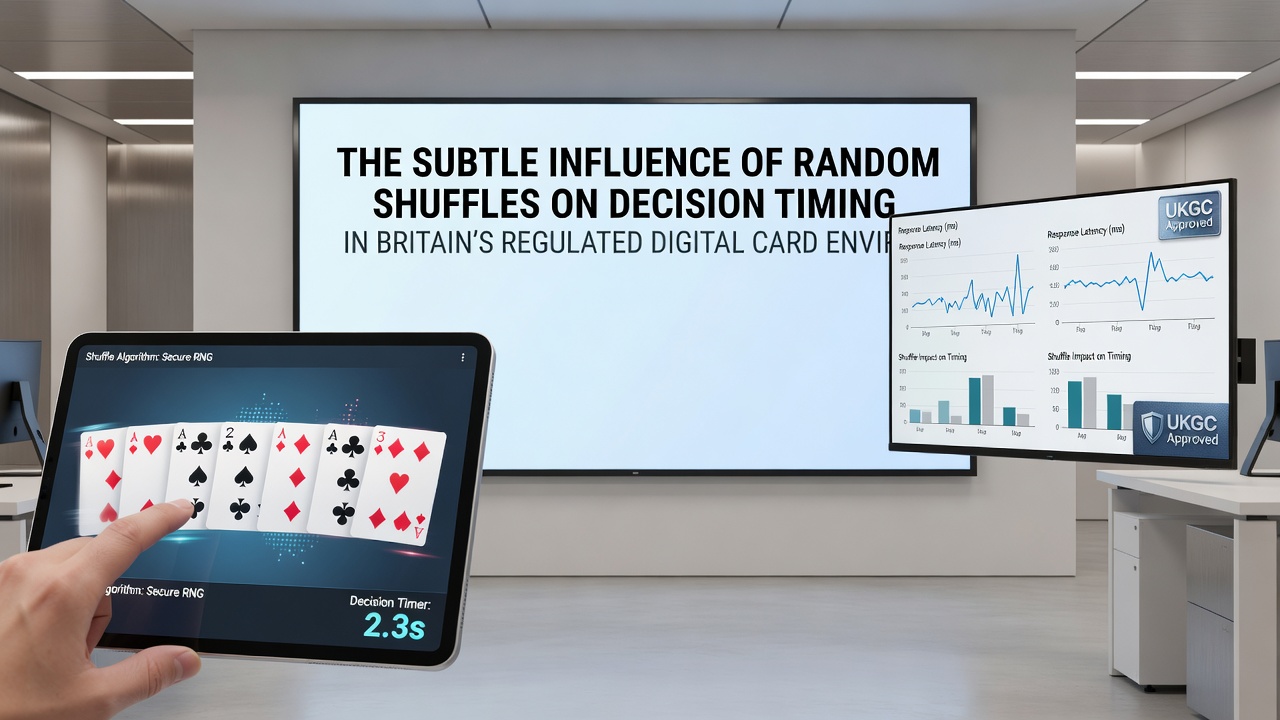
One documented pattern shows that when shuffles finish just before a standard decision prompt appears, players register slightly faster average response times across multiple trials. Conversely, delays in shuffle processing extend the gap before prompts activate, which can lead to extended evaluation periods. These effects remain small in isolation but become statistically relevant when aggregated over thousands of hands played across regulated platforms.
June 2026 Developments in Monitoring Technology
Scheduled enhancements to monitoring tools planned for June 2026 aim to capture shuffle-to-decision intervals with greater precision. Industry reports indicate that updated logging systems will record exact timestamps for both algorithm completion and player input, allowing analysts to isolate timing influences more effectively than current methods permit. Early test data shared among technical working groups suggest these tools could reveal previously overlooked correlations between shuffle variance and session pacing across different game formats.
Implementation of these upgrades requires coordination between software providers and testing bodies to ensure compatibility with existing certified systems. The changes focus on data granularity rather than altering core randomness standards, which means operators can adopt the new protocols without re-certifying entire platforms. Observers expect the additional metrics to inform future guidelines on acceptable timing distributions without imposing rigid thresholds on shuffle speed.
Broader Implications for Digital Card Systems
Platform designers continue to refine shuffle algorithms to balance computational efficiency with the need for genuine unpredictability. When timing variations arise from hardware constraints or network conditions, they can interact with the random process in ways that affect perceived fairness even when statistical tests confirm compliance. Figures compiled by international gaming associations show that most discrepancies remain within acceptable bounds, yet the cumulative impact on decision timing warrants ongoing attention from both regulators and developers.
Training modules for compliance staff now incorporate examples of how shuffle timing data appears in audit reports. These modules emphasize that small deviations do not indicate manipulation but rather reflect normal operational dynamics within high-volume environments. As monitoring capabilities advance, the ability to distinguish between routine fluctuations and anomalies improves, supporting more targeted reviews of system performance.
Conclusion
Random shuffles in Britain's regulated digital card environments exert measurable yet understated effects on the timing of player decisions through their influence on prompt intervals and session rhythm. Research from multiple sources demonstrates that these influences operate within established fairness parameters while still shaping the flow of interaction at individual decision points. Continued refinement of monitoring techniques, including those slated for June 2026, will provide clearer visibility into these dynamics and support sustained integrity across digital card platforms.