Online Blackjack Gambling: Digital Platforms and Global Market Dynamics
Yves Hayes · Aug 18, 2026
Online Blackjack Gambling: Digital Platforms and Global Market Dynamics
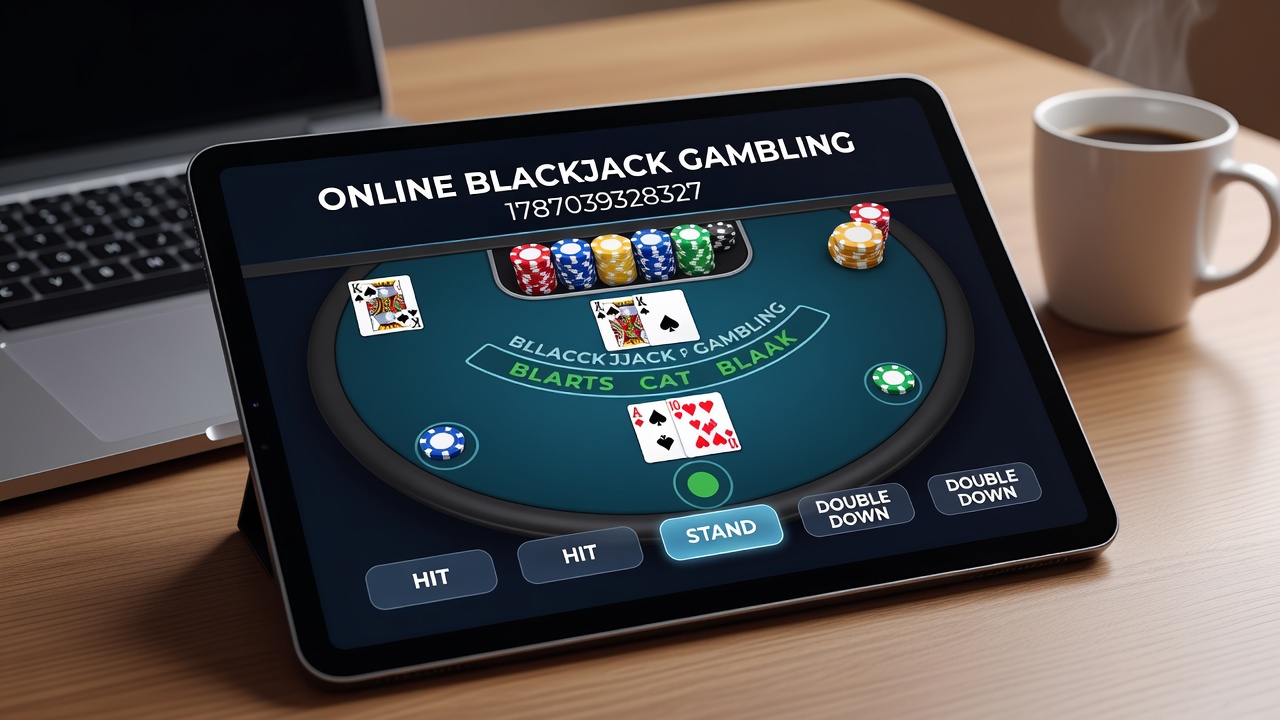
Online blackjack gambling operates through platforms that deliver both random number generator versions and live dealer formats, with data from industry reports indicating steady expansion across multiple continents since the early 2000s. Players access these games via desktop and mobile applications where virtual decks simulate traditional play while software tracks every hand in real time. Research from the American Gaming Association shows participation rates rising in regulated markets, driven by secure payment systems and updated interface designs that accommodate varying connection speeds.
Core Mechanics and Platform Variations
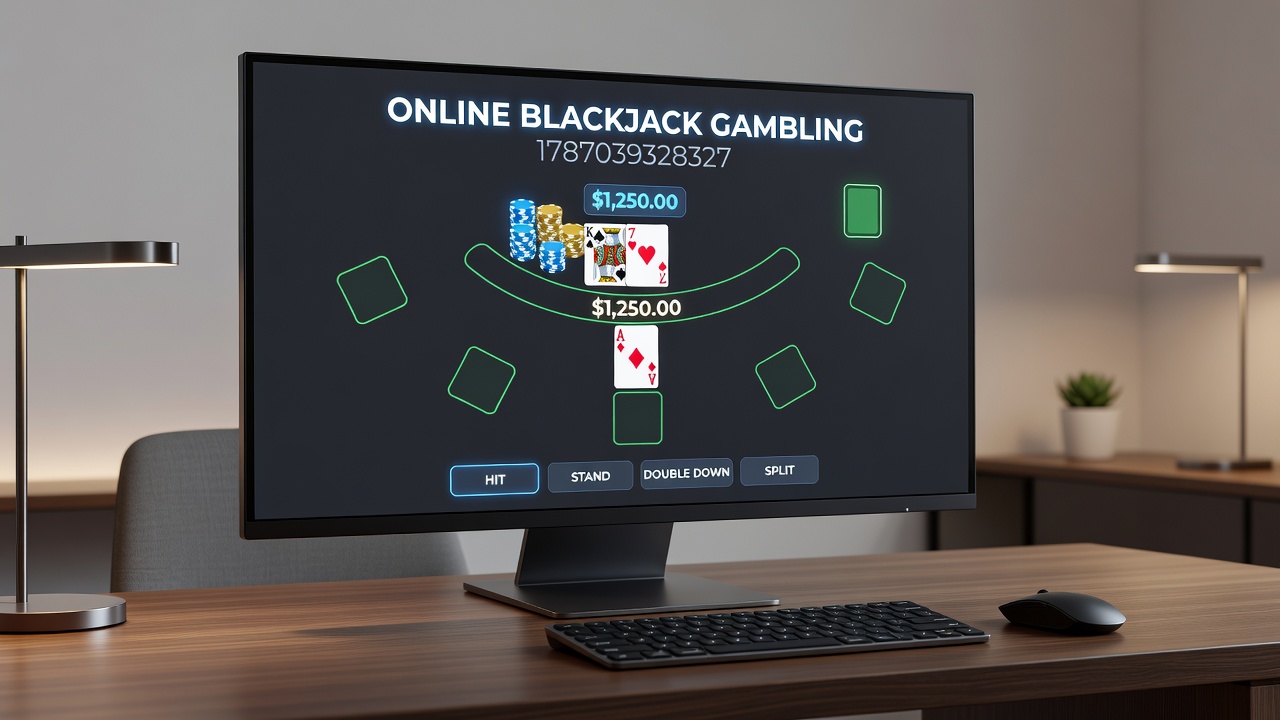
Basic rules remain consistent across sites because dealers deal two cards to each participant and hit on totals under seventeen while players decide whether to stand, hit, split pairs, or double down based on their hand value. Yet software providers introduce subtle differences such as side bets or multi-hand options that alter payout structures without changing the fundamental objective of reaching twenty-one. Observers note that European versions often restrict dealer peeking at hole cards whereas North American adaptations allow surrender in select scenarios, creating regional distinctions that data from regulatory filings confirm through compliance audits.
Technological Integration and 2026 Developments
Advancements in streaming technology now allow real-time interaction with dealers located in studios equipped with multiple camera angles, and industry analysts report that several operators plan expanded virtual reality features scheduled for rollout in August 2026. These updates aim to replicate physical table environments through headsets that track gestures and display three-dimensional card renders. Figures from gaming technology conferences reveal investments exceeding previous years because providers seek to reduce latency issues that previously affected mobile sessions in remote areas. Meanwhile encryption protocols continue to evolve with blockchain elements appearing in transaction logs at select European platforms, although adoption rates vary according to jurisdiction approvals.
Regulatory Frameworks Across Regions
Authorities in Malta oversee licensing for many international operators through the Malta Gaming Authority, which enforces standards on random outcome verification and player fund segregation. Canadian provinces such as Ontario maintain separate oversight via iGaming Ontario that requires local server locations for certain titles, resulting in distinct market conditions compared to offshore options. Australian state regulations impose advertising restrictions that limit promotional visibility while still permitting licensed access for residents. These layered systems produce compliance documentation that academic studies from institutions like the University of Nevada have examined for patterns in enforcement actions and license renewals.
Data on Participation and Return Metrics
Statistical compilations from market research firms indicate that return-to-player percentages for standard online blackjack typically range between ninety-six and ninety-nine percent depending on specific rule sets and whether progressive side bets participate. Participation spikes occur during evening hours in multiple time zones according to aggregated platform analytics, with mobile devices accounting for over sixty percent of sessions in recent quarterly summaries. Researchers at various universities have compiled anonymized datasets showing average session durations and common decision patterns that align with basic strategy charts distributed by training applications.
Security Protocols and Payment Integration
Secure socket layers combined with two-factor authentication protect account details while payment processors handle deposits through credit cards, e-wallets, and increasingly cryptocurrency channels approved in select jurisdictions. Audits conducted by independent testing labs verify that card shuffling algorithms produce statistically random sequences before operators receive certification renewals. Those who monitor sector trends observe that cross-border transactions often trigger additional verification steps to meet anti-money laundering requirements set by bodies such as the Financial Action Task Force.
Conclusion
Online blackjack gambling continues to adapt through technological refinements and jurisdiction-specific rules that shape accessibility for participants worldwide. Market indicators point toward further integration of immersive tools around August 2026 alongside sustained regulatory attention from diverse oversight entities. Comprehensive records maintained by licensing bodies and independent research groups supply the factual foundation for understanding these ongoing shifts without reliance on promotional narratives.