Mapping Connections Between Casino Tier Systems and Selection of Table Games Versus Slot Machines for UK Participants
Yves Hayes · May 24, 2026
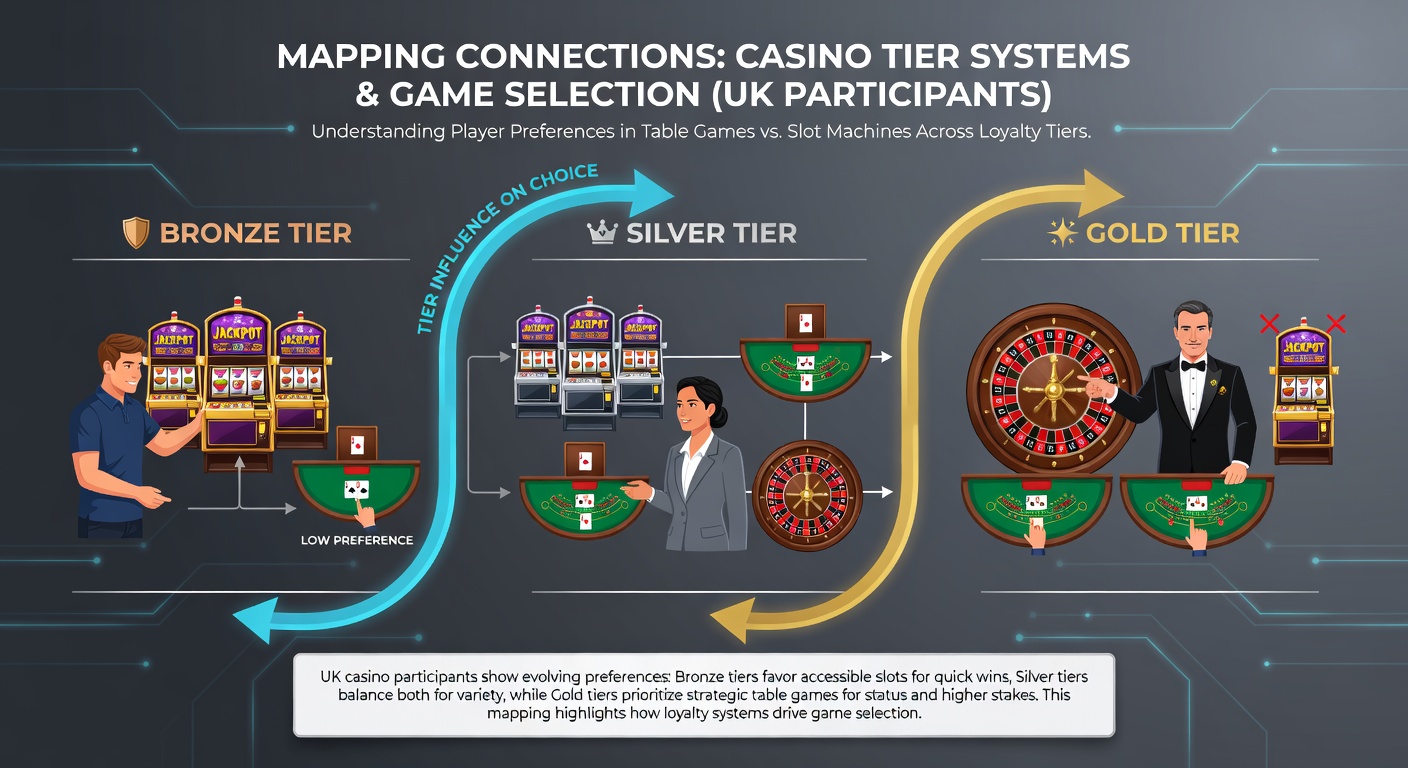
Mapping Connections Between Casino Tier Systems and Selection of Table Games Versus Slot Machines for UK Participants
Casino loyalty programs in the UK operate through structured tier systems that track player activity and award benefits based on accumulated points, yet these frameworks create distinct pathways when participants weigh table games against slot machines. Observers note that point accrual often ties directly to theoretical loss calculations, where slot play tends to generate faster tier advancement because of higher handle and spin volume compared to slower-paced table decisions. Researchers from institutions like the University of Nevada, Reno have documented how such mechanics influence game selection patterns across various markets, including those serving UK visitors and residents.
Tier Structures and Point Mechanisms
UK casino operators typically organize rewards into ascending levels that begin with entry-level status and progress through silver, gold, and platinum designations, each unlocking additional comps such as free play credits, hotel stays, and priority access. Data indicates that points derive from coin-in on slots or average bet multiplied by time at tables, creating an inherent bias toward machines that allow rapid cycling of funds. Those who've examined loyalty databases find that reaching mid-tier status often requires slot-heavy sessions because table game contributions calculate at lower multipliers in many systems, while higher tiers introduce multipliers that reward consistent high-stakes play regardless of format.
Game Selection Patterns Among Tiered Players
Participants who climb tiers frequently adjust their preferences as benefits accrue, with table games offering skill elements that reduce house edge over extended sessions whereas slots deliver fixed return-to-player percentages alongside frequent small payouts that sustain point momentum. Studies reveal that lower-tier individuals gravitate toward slots for quicker status gains, yet once platinum or equivalent levels activate, some shift toward table options to maximize comp value per wager. What's interesting emerges in longitudinal tracking where mid-tier players balance both formats, using slots to maintain momentum and tables to leverage strategic edges during promotional periods.
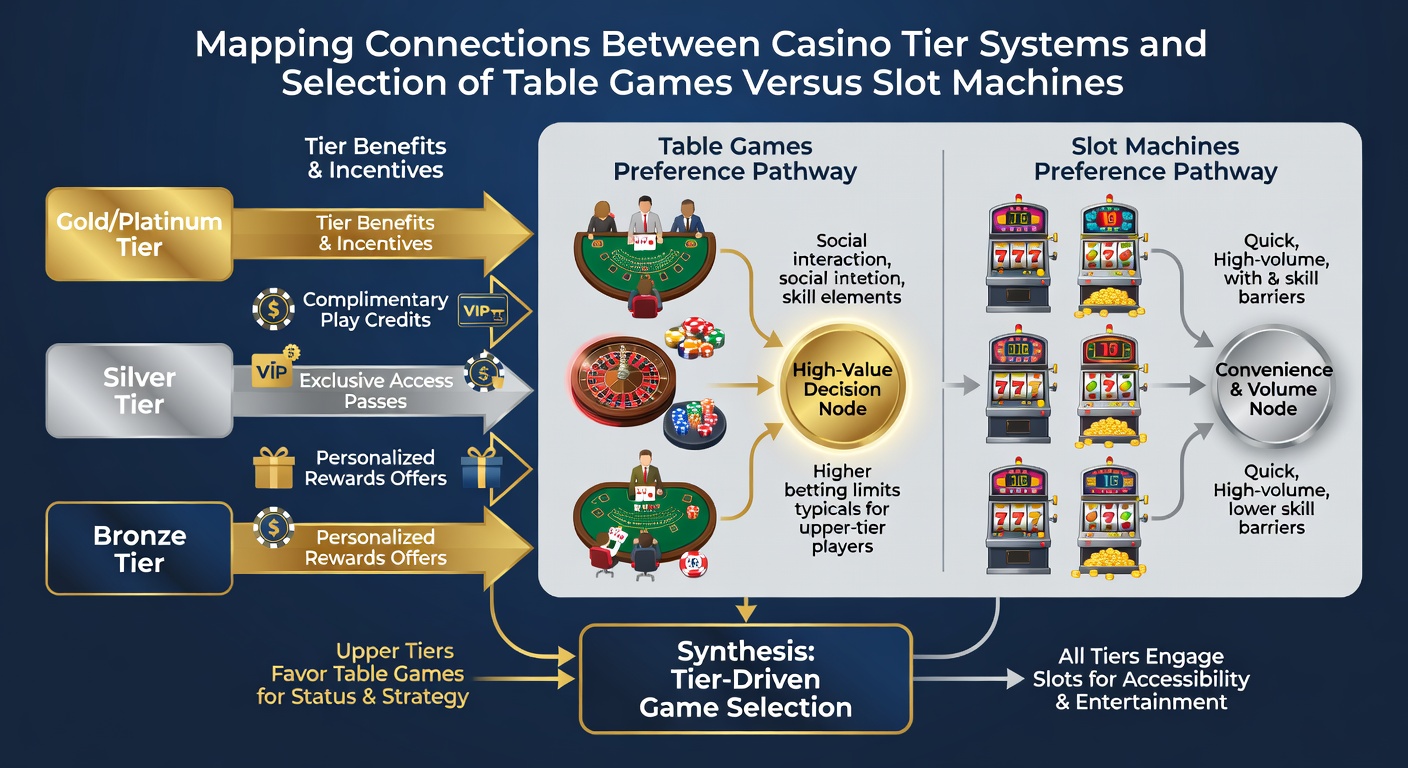
Industry reports from the Canadian Gaming Association highlight similar cross-border patterns among international patrons, showing that tier incentives tied to theoretical loss encourage volume-based play on slots early in the progression while rewarding time-at-table later. Figures from academic analyses further demonstrate that UK-linked accounts often exhibit hybrid approaches, alternating formats to optimize both entertainment value and reward velocity without exceeding personal bankroll thresholds.
Data Correlations and Behavioral Indicators
Evidence from multiple research papers links tier advancement speed directly to format dominance, where slot-dominant trajectories reach gold status in fewer visits than table-focused ones because of accelerated coin-in accumulation. According to findings published through the Australian Gambling Research Centre, players who diversify across tables and machines sustain longer engagement at higher tiers, benefiting from both comps and reduced variance through strategic table selections. Observers note that in May 2026 several operators plan to release updated tier dashboards that display real-time projections for game-type contributions, allowing participants clearer visibility into how each format advances status.
Those monitoring loyalty metrics find that table game selections at higher tiers correlate with increased use of comps like meal vouchers and event tickets, whereas slot-centric paths emphasize free spin allocations that feed back into further point earning. Research indicates these feedback loops strengthen retention once participants cross into elite tiers, with data sets showing reduced churn rates among balanced players who alternate formats strategically.
External Influences on Tier-Game Dynamics
Regulatory shifts and technological integrations continue shaping how UK participants navigate these connections, particularly as mobile platforms enable seamless tracking of tier progress across both game categories. Reports from the European Gaming and Betting Association outline how digital interfaces now surface personalized recommendations that factor in current tier level alongside historical game-type data, guiding users toward formats that accelerate remaining milestones. And while point structures remain operator-specific, cross-casino alliances have begun standardizing certain multipliers, which in turn affects whether players prioritize tables for precision or slots for speed when targeting seasonal promotions.
Conclusion
The interplay between casino tier systems and game format choices among UK participants rests on measurable mechanics of point accrual, theoretical loss, and comp valuation rather than isolated preferences. Research consistently maps how early-tier emphasis on slots transitions toward hybrid or table-leaning strategies at advanced levels, supported by data from academic and industry sources across regions. As operators refine tracking tools ahead of May 2026 updates, these connections will likely grow more transparent, enabling participants to align selections with both reward pathways and individual play styles.