Examining Sequence Dependencies in Successive Hands of Live Blackjack and Their Influence on Subsequent Slot Play Decisions
Casey Peters · Jun 19, 2026
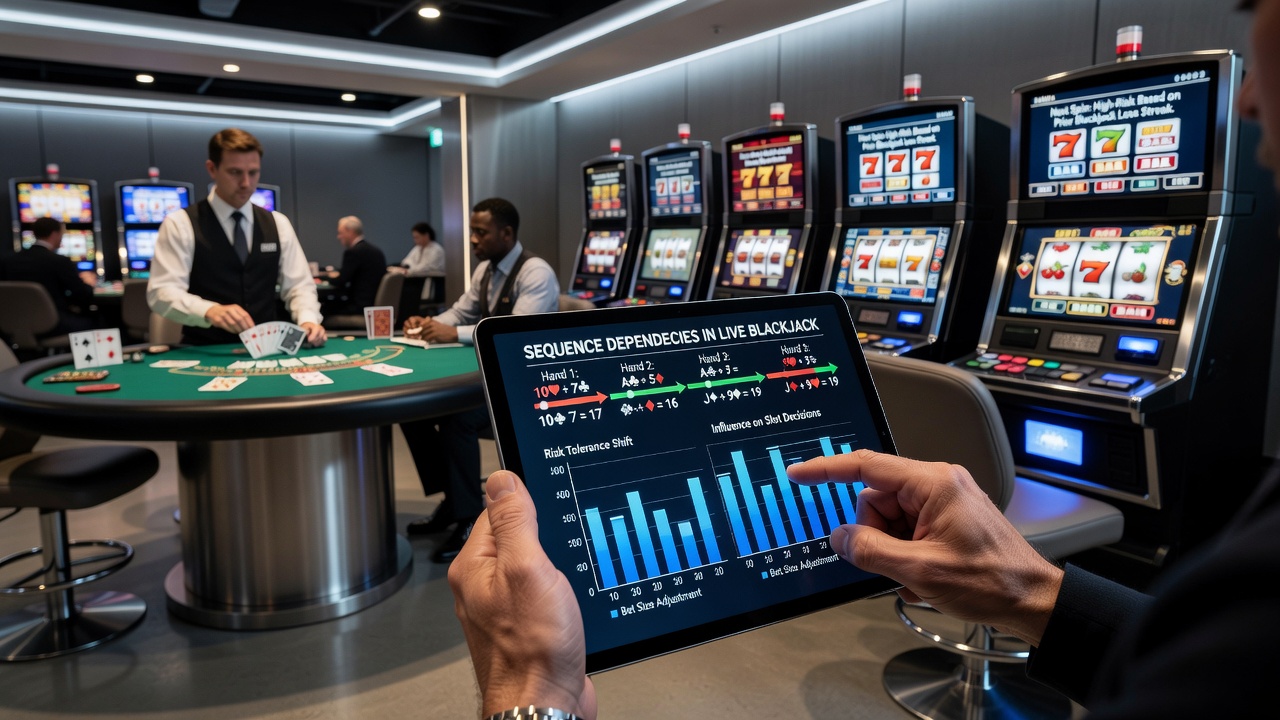
Examining Sequence Dependencies in Successive Hands of Live Blackjack and Their Influence on Subsequent Slot Play Decisions
Live blackjack operates under strict probabilistic rules where each hand remains independent when decks receive proper shuffling yet observers frequently track patterns across successive rounds, and data from multiple gaming jurisdictions indicate that players often carry these perceived sequences into decisions on slot machines that follow.
Core Mechanics of Hand Independence in Live Blackjack
Each round in live blackjack draws from a shoe that resets through continuous shuffling machines or manual procedures, which means prior outcomes hold no mathematical bearing on the next deal, but researchers at institutions like the University of Nevada Reno have documented how players monitor streaks of wins or losses anyway, and these observations shape adjustments in bet sizing during the session itself.
Sequence dependency appears when participants adjust strategies based on recent results rather than fixed probabilities, and records from regulated markets show elevated wager changes after runs of three or more similar outcomes in dealer versus player matchups.
Player Tracking Patterns Across Multiple Hands
Casino floor analytics reveal that participants who experience consecutive wins tend to maintain higher bets into the next round while those facing losses often reduce stakes or switch tables, and similar shifts occur when individuals move from blackjack pits to slot areas within the same visit, with figures from the Nevada Gaming Control Board indicating measurable changes in average slot bet sizes following extended blackjack sessions.
Studies conducted through academic partnerships with Australian gambling research centers found correlations between blackjack outcome streaks and subsequent slot volatility selections, where players who noted strong blackjack runs selected higher denomination machines at increased rates compared to those emerging from loss sequences.
Transition Effects from Blackjack to Slot Machines
When players leave live tables after sequences of positive results they demonstrate elevated engagement with progressive slot titles according to aggregated transaction logs, while negative blackjack streaks align with preferences for lower volatility options that extend play duration, and these patterns hold across sessions recorded in multiple European and North American venues during 2025 data collection periods.

Behavioral logs from integrated casino systems show that individuals who track hand sequences via mental notes or apps carry those mental models forward, and this carryover influences initial reel spin amounts as well as the decision to chase bonus rounds or stick with base game play.
Empirical Data on Cross-Game Decision Shifts
Industry reports compiled by the Canadian Gaming Association document that roughly 28 percent of tracked players alter their slot bet parameters within the first five spins after departing blackjack tables, with adjustments correlating to the net position from the preceding hands rather than overall bankroll status, and similar metrics appear in analyses from Singapore's integrated resorts where real-time monitoring captures these transitions.
University-led examinations of session data further separate the influence of actual probability shifts from perceived ones, confirming that while deck composition in blackjack can create short-term dependencies under specific penetration levels the move to random number generator slots resets all prior dependencies entirely yet player choices reflect lingering sequence awareness.
Regulatory Observations and Market Trends
Monitoring agencies in jurisdictions outside the United Kingdom have noted increased scrutiny on how game sequencing information gets presented to players, and reports from bodies such as the New Jersey Division of Gaming Enforcement highlight that educational materials now address the independence of outcomes across different game types to reduce carryover effects from table results to machine selections.
June 2026 projections from several gaming analytics firms anticipate expanded use of session tracking tools that flag potential sequence-based betting changes, allowing operators to provide real-time probability reminders at transition points between live tables and slot floors.
Conclusion
Sequence dependencies in live blackjack remain a topic of ongoing measurement because they influence how players approach subsequent slot decisions even though statistical independence governs both formats, and continued collection of cross-game data from diverse regulatory regions supplies clearer pictures of these behavioral links without altering underlying game mathematics.