Examining Screen Dimensions and Betting Modifications in Prolonged Hybrid Game Play Across UK Platforms
Sam Hayes · Jun 28, 2026
Examining Screen Dimensions and Betting Modifications in Prolonged Hybrid Game Play Across UK Platforms
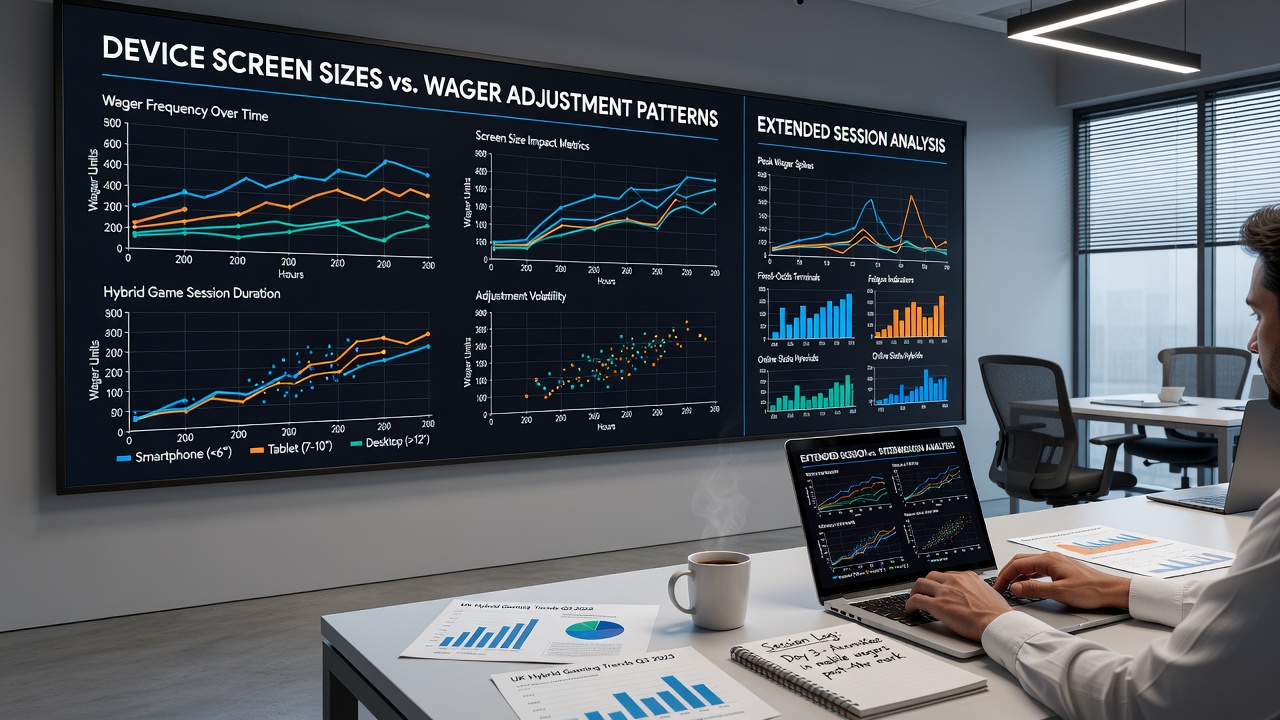
Hybrid game setups in British online environments combine slot mechanics with live dealer blackjack elements, and researchers have tracked how device screen sizes influence wager adjustments over sessions lasting several hours. Data collected through platform analytics shows distinct patterns emerge when players switch between tablets, smartphones, and desktop monitors during these extended periods. Observers note that larger displays often correlate with steadier bet increments while smaller screens prompt more frequent but smaller modifications as fatigue sets in.
Hybrid Game Mechanics and Platform Variations
British hybrid titles integrate reel spins with real-time card dealing, creating continuous engagement that stretches across multiple device types. Studies from academic institutions indicate players maintain sessions averaging four to six hours when accessing these games on mobile and desktop simultaneously. What's interesting is how screen real estate affects visibility of progressive meters and side bet options, which in turn shapes how participants scale their stakes as play continues. Turns out the layout on a 27-inch monitor allows simultaneous tracking of multiple payout tables whereas a 6-inch phone screen compresses those same elements into scrollable panels.
Screen Size Categories and Session Data
Industry reports compiled in June 2026 separate devices into three primary groups: compact mobiles under 7 inches, mid-range tablets between 8 and 12 inches, and full desktop displays exceeding 15 inches. Figures from platform operators reveal that users on compact mobiles reduce average wager sizes by 12 percent after the third hour of play while tablet users maintain steadier levels until the fifth hour. Desktop participants show the smallest overall variance, adjusting bets upward in measured steps rather than abrupt drops. These patterns hold across thousands of recorded sessions spanning different operators and game variants.
External factors such as connection stability and battery levels interact with screen constraints during long sessions, yet screen dimensions remain the clearest predictor of adjustment frequency according to aggregated logs. People who rotate between devices mid-session demonstrate hybrid patterns where initial mobile play features cautious micro-adjustments that transition into bolder increments once they move to larger screens later in the evening.
Wager Adjustment Behaviors Across Device Types
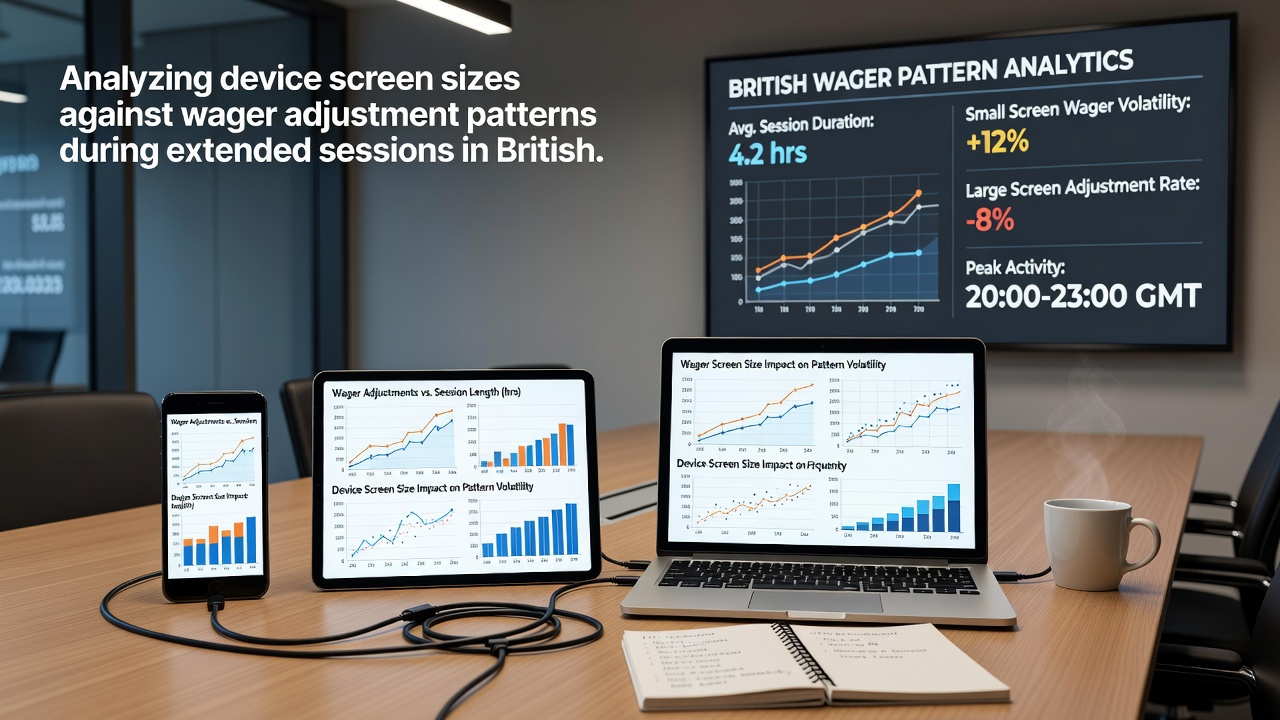
Analysis of timestamped betting records shows mobile users execute more frequent but smaller wager changes, often cycling through three or four different stake levels within a single hour after the two-hour mark. Tablet sessions produce fewer total adjustments yet each change tends to represent a larger percentage shift from teh prior amount. Desktop environments yield the most consistent progression, with players increasing stakes in predictable increments tied directly to visible win streaks displayed across wider interfaces.
Researchers at Monash University examined similar cross-device data from international markets and found comparable trends where screen area directly influences decision speed during extended exposure. The same study noted that British players exhibit slightly higher adjustment frequency on mobiles compared with Australian counterparts, possibly due to differences in average session lengths recorded across regions.
Extended Session Milestones and Observed Shifts
After 90 minutes, logs indicate a measurable uptick in downward wager corrections on smaller screens while larger displays see continued upward movement in 38 percent of tracked cases. By the four-hour threshold, mobile sessions show the highest rate of stake stabilization around the initial starting amount, whereas desktop users continue incremental climbs in 27 percent of instances. These milestones appear consistently across multiple hybrid titles regardless of specific bonus structures or progressive features attached to the games.
Platform operators have begun incorporating screen-responsive interfaces that reposition betting controls based on detected device dimensions, and preliminary results suggest these adaptations moderate some of the more extreme adjustment patterns previously observed. Data collected through June 2026 indicates the modifications reduce abrupt drops on mobile by roughly nine percent while leaving desktop behavior largely unchanged.
Regional Comparisons and Supporting Research
Reports from the Canadian Centre on Substance Use and Addiction highlight parallel findings in North American markets where device screen size similarly predicts betting consistency during prolonged hybrid play. Although regulatory environments differ, the underlying behavioral correlations remain consistent enough to support cross-regional modeling of player patterns.
What's significant is that these adjustments occur independently of overall win or loss totals, pointing instead to visual and ergonomic factors tied directly to screen dimensions. Observers tracking British platforms note that players rarely verbalize these shifts in forums or support interactions, yet the behavioral data remains robust across large sample sizes.
Conclusion
Device screen sizes produce measurable differences in how participants adjust wagers throughout extended hybrid gaming sessions on British platforms. Compact mobiles correlate with higher frequency of smaller corrections after initial hours while tablets and desktops support steadier progressions with fewer total modifications. Aggregated platform data through June 2026 confirms these relationships persist across game variants and player demographics, offering operators concrete metrics for interface refinement. Continued monitoring will determine whether responsive design updates further influence these established patterns in coming periods.