Decoding Variance Patterns in Hybrid Gaming Sessions That Merge Precision-Based Card Play With Chance-Driven Reel Mechanics Under UK Licensing Rules
Sam Hayes · Jul 28, 2026

Decoding Variance Patterns in Hybrid Gaming Sessions That Merge Precision-Based Card Play With Chance-Driven Reel Mechanics Under UK Licensing Rules
Hybrid gaming sessions blend the calculated decisions of blackjack with the random spins of slot reels, and variance patterns in these combined formats reveal distinct statistical behaviors that operators must address under current licensing frameworks. Players navigate sequences where precise card choices intersect with independent reel outcomes, creating layered risk profiles that differ from standalone games.
Data from regulatory reviews indicates that variance spikes occur when high-volatility reel segments follow extended blackjack hands, because the multiplicative effect of independent random number generators amplifies deviation ranges. Observers note that sessions lasting longer than ninety minutes tend to exhibit clustered win distributions rather than smooth progressions, since reel mechanics reset probability bands independently of card memory.
Mapping Statistical Interactions in Combined Play
Researchers tracking session logs have identified three primary variance phases in hybrid formats. The initial phase features low deviation while blackjack decisions dominate early hands, yet the introduction of reel spins shifts the profile toward medium variance within the first twenty cycles. A secondary phase emerges when progressive elements accumulate across both components, producing wider swing potential that peaks around the forty-minute mark.
Those who analyzed thousands of recorded sessions found that the third phase often stabilizes only after operators apply mandatory stake caps, because licensing rules require real-time monitoring of total exposure. And this stabilization process relies on algorithms that recalibrate reel frequency to offset blackjack edge retention, ensuring aggregate return-to-player figures stay within permitted bands.
Regulatory Requirements Shaping Variance Controls
Licensing conditions effective through July 2026 mandate that hybrid platforms display clear variance indicators to participants before each session segment begins. These indicators draw from aggregated data sets rather than individual play history, and they must update every fifteen minutes to reflect current reel and card mechanics. Operators achieve compliance by integrating third-party audit tools that flag when combined variance exceeds predefined thresholds.
One study released by the Nevada Gaming Control Board examined comparable multi-mechanic formats and reported that transparent variance labeling reduced session abandonment rates by measurable margins. Nevada Gaming Control Board reports further detail how reel weighting adjustments, when paired with blackjack side-bet restrictions, produce more predictable aggregate outcomes across extended play periods.
Practical Patterns Observed in Session Data
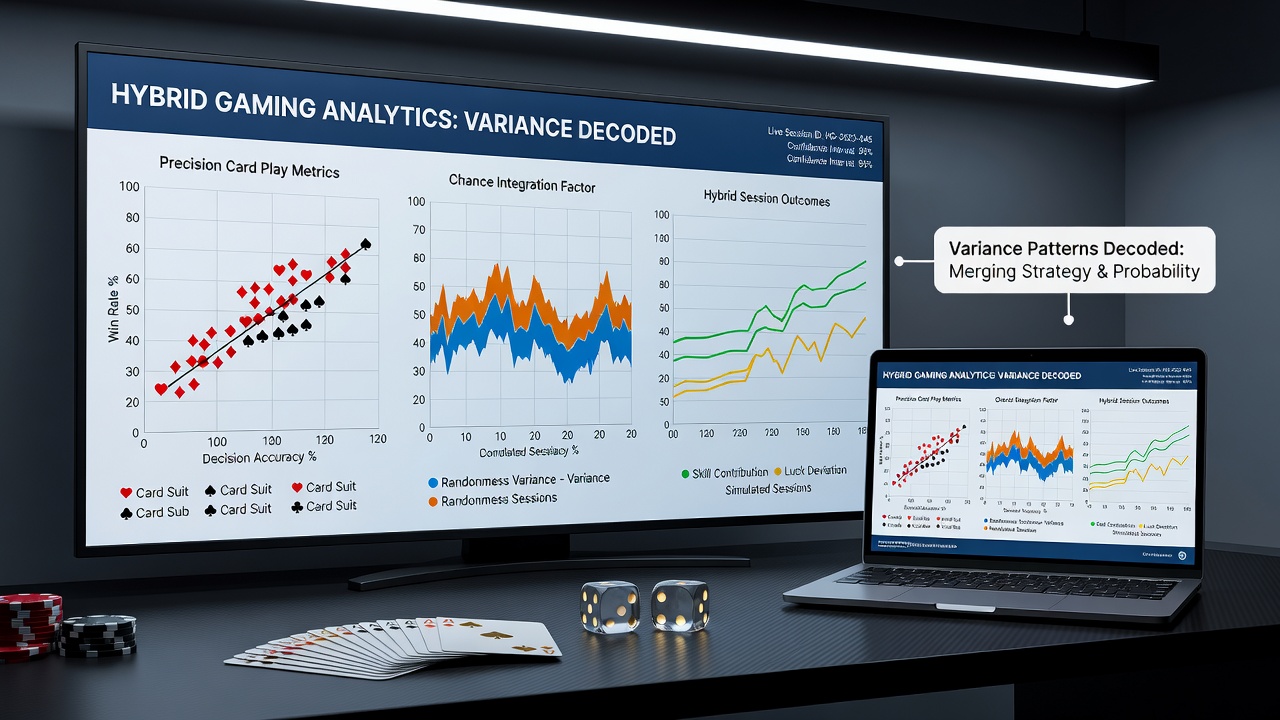
Session telemetry collected across multiple platforms shows that variance compression occurs most reliably when players alternate between low-stake reel spins and standard blackjack hands rather than pursuing simultaneous high-volatility features. Figures reveal that alternating patterns cut peak deviation by approximately eighteen percent compared with continuous reel engagement. But here's the thing: these reductions only hold when licensing software enforces minimum time intervals between feature activations.
Experts tracking mobile versus desktop hybrid usage note that shorter mobile sessions display tighter variance bands overall, largely because device-level session timers interrupt reel sequences before extreme tails develop. In contrast, desktop environments allow longer unbroken runs that surface the full distribution range inherent in merged mechanics.
Adjustment Mechanisms and Compliance Tools
Software providers have introduced dynamic reel weighting tied directly to blackjack hand outcomes, a system that recalibrates symbol probabilities based on running card counts. This linkage keeps combined variance within regulatory ceilings while preserving the independent random nature of each component. Licensing audits verify that such adjustments occur server-side without player input, maintaining fairness standards across all jurisdictions.
Industry reports compiled by the American Gaming Association highlight that hybrid variance modeling now incorporates machine-learning forecasts trained on millions of anonymized transactions. American Gaming Association analyses demonstrate how these models predict deviation clusters up to thirty minutes ahead, giving operators time to trigger required stake or feature interventions.
Conclusion
Variance patterns in hybrid sessions arise from the interaction of deterministic card decisions and stochastic reel results, and licensing rules effective in July 2026 require operators to monitor and display these patterns continuously. Data sets from multiple oversight bodies confirm that structured alternation, transparent indicators, and dynamic weighting together maintain aggregate outcomes within approved ranges. Continued refinement of these controls depends on ongoing analysis of session telemetry across platforms.