Charting How Accumulating Prize Pools Influence Wagering Patterns Across Digital Card Tables and Reel Machines in Regulated British Markets
Yves Hayes · May 31, 2026
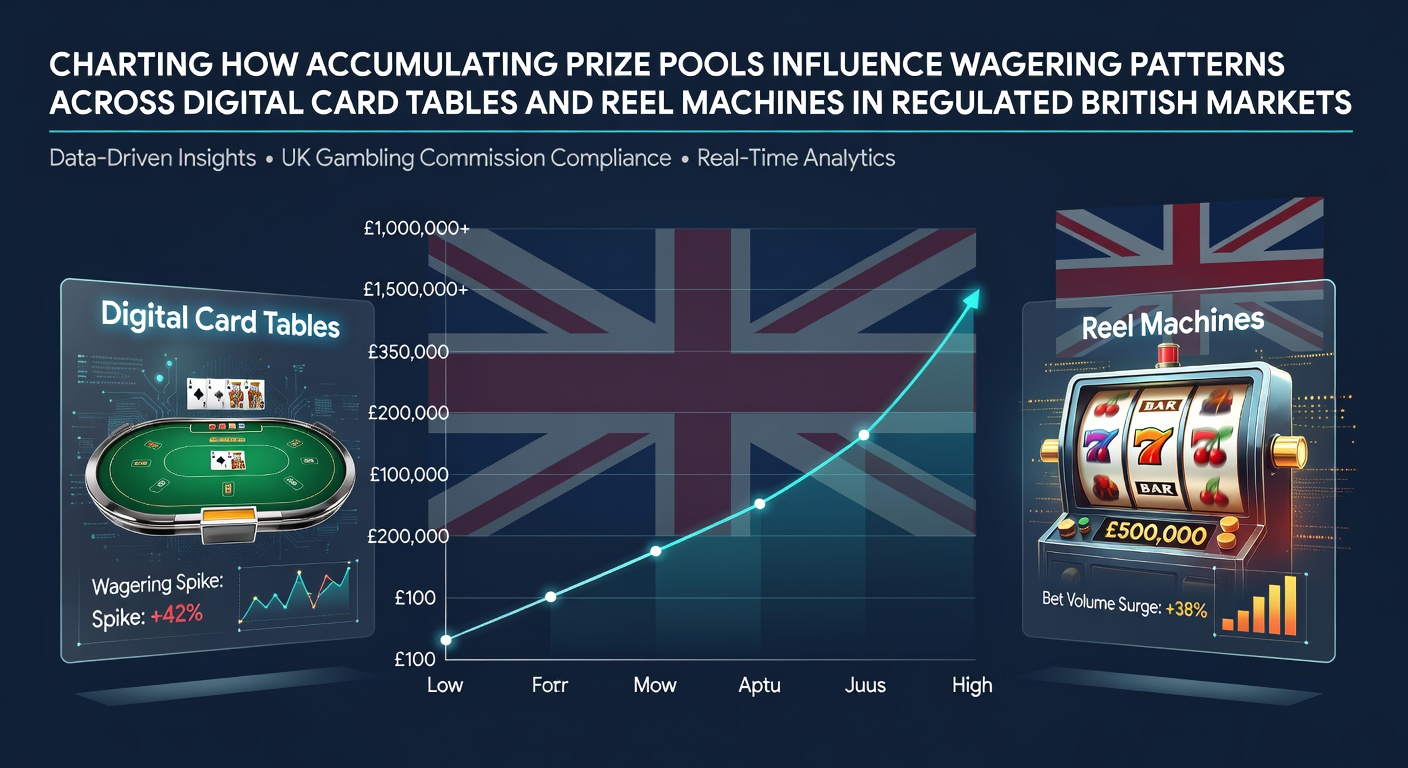
Charting How Accumulating Prize Pools Influence Wagering Patterns Across Digital Card Tables and Reel Machines in Regulated British Markets
Prize pools build through incremental contributions from player wagers across digital platforms, and this process creates measurable shifts in how participants allocate their stakes between card-based games and spinning reel formats. Data from multiple jurisdictions shows that larger accumulated totals draw increased bet volumes, particularly when thresholds cross certain benchmarks that signal potential for substantial returns.Mechanics of Pool Growth in Regulated Environments
Contributions to prize pools occur at fixed percentages of each wager, with funds rolling forward until a qualifying win resets or reduces the total. In British online markets operators must adhere to transparency rules that display current pool values in real time, and this visibility correlates with changes in session lengths and stake sizes according to industry reports. Researchers tracking transaction logs have noted that pools exceeding £500,000 often coincide with elevated activity on both table interfaces and reel displays within the same player accounts.
Card tables incorporate progressive elements through side wagers or dedicated jackpot features, while reel machines frequently tie entire progressive networks to single symbols or bonus rounds. The interaction between these formats becomes evident when pool sizes increase, as participants move funds between categories rather than maintaining static preferences.
Observed Wagering Adjustments Across Formats
Transaction records reveal that rising prize pools prompt higher average bets per round on the featured games, yet the pattern extends beyond simple escalation. Players frequently alternate between digital card tables and reel machines within single sessions when one pool outpaces the other by a noticeable margin. This alternation appears in aggregated data sets covering thousands of accounts, where session logs show transfers of 15 to 30 percent of total stake volume toward the faster-growing pool.
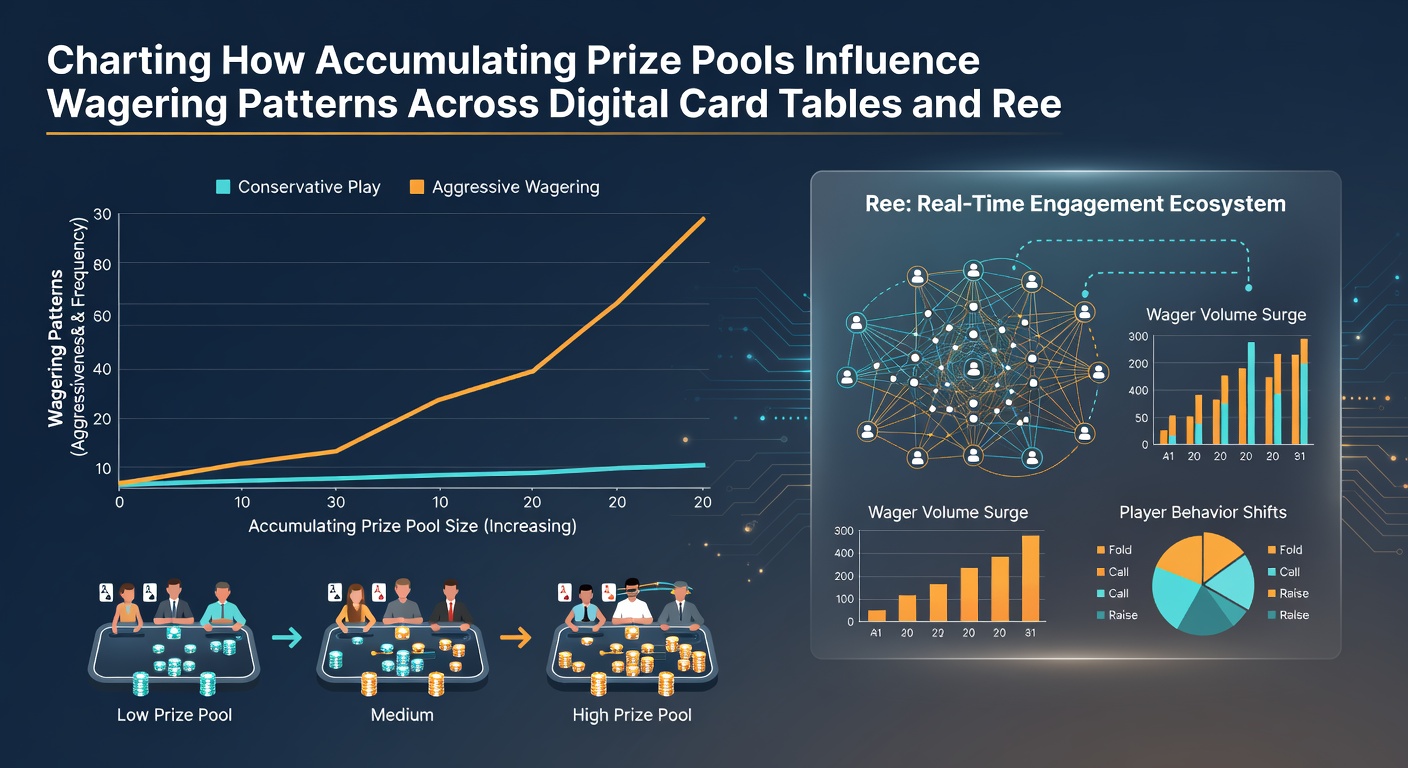
Studies conducted by the Australian Gambling Research Centre indicate similar cross-format movement in comparable regulatory settings, where progressive totals serve as dynamic signals that redirect attention. In British contexts the same dynamic surfaces through platform telemetry that captures bet timing relative to pool milestones, and the effect strengthens when pools reach new monthly highs.
Timing Patterns and Monthly Fluctuations
Activity spikes align with pool milestones rather than calendar events alone. When totals approach round numbers such as £1 million or £2 million, average wager frequency rises during evening hours and weekend windows. Observers note that May 2026 brought additional attention to these patterns after several networks posted record pool figures that coincided with updated display interfaces on major platforms. Those updates made incremental growth more prominent, and subsequent data showed sustained elevation in cross-category wagering for the following quarter.
Reel machines capture a larger share of the redirected volume when their pools expand through multi-site linkages, whereas card tables see steadier but smaller increments tied to individual table contributions. The resulting distribution of stakes therefore reflects whichever format currently leads in accumulated value.
Regulatory Context and Data Accessibility
British operators publish aggregated performance metrics that allow external analysis of pool-driven behaviors without disclosing individual accounts. Figures released through industry associations demonstrate that progressive features account for increasing portions of total handle as pool sizes grow. External verification comes from sources such as the Nevada Gaming Control Board, which publishes comparative statistics on progressive wagering across multiple game types, and from academic reviews issued by the University of Nevada, Reno that examine behavioral responses to visible prize accumulation.
These datasets confirm that participants adjust stake distribution in response to pool size rather than fixed game preference. The adjustments occur within single accounts and across broader user bases, producing measurable changes in revenue allocation between card and reel categories.
Conclusion
Accumulating prize pools function as active variables that reshape wagering distribution across digital card tables and reel machines. Records from regulated British markets demonstrate consistent movement toward whichever format holds the larger total at any given time, with timing tied to visible milestones and interface changes. Continued monitoring of these patterns provides clear indicators of how progressive structures guide participant decisions in environments where transparency requirements remain in place.