Britain's Virtual Card Arenas Reveal How RNG Calibration Shapes Long-Term Retention in Hybrid Gaming Ecosystems
Ulrich Hayes · Jun 30, 2026
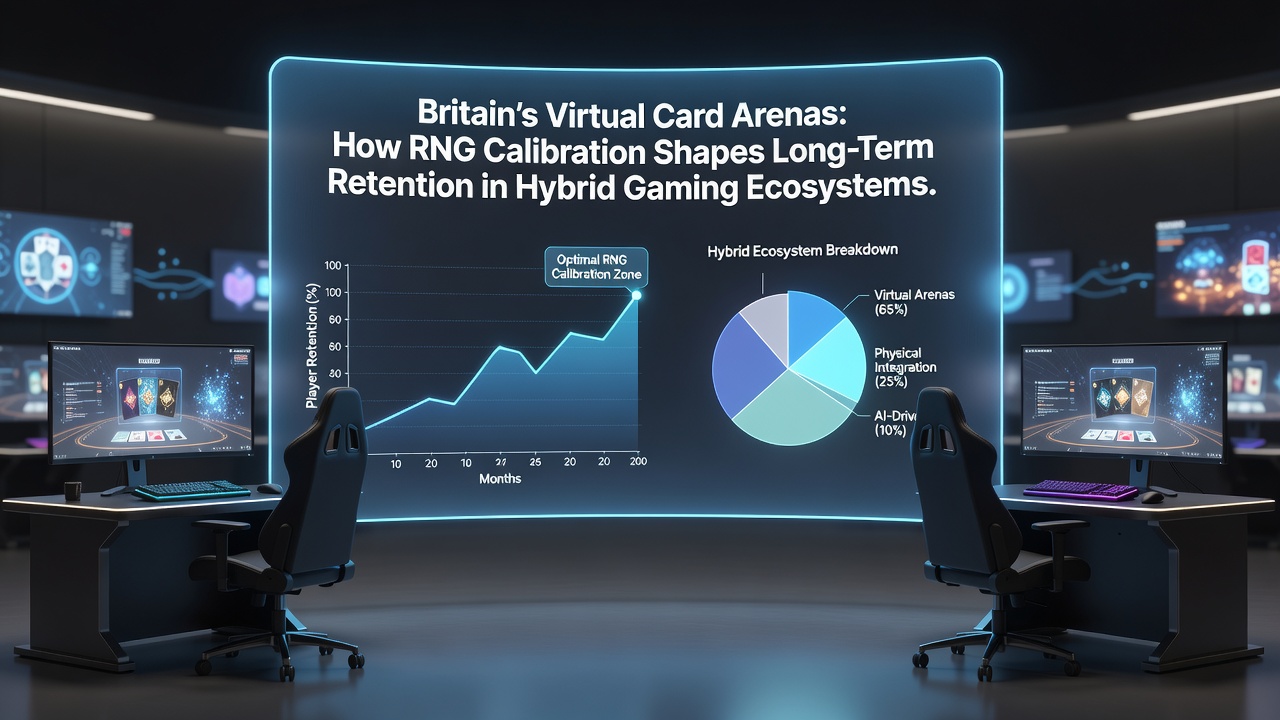
Britain's Virtual Card Arenas Reveal How RNG Calibration Shapes Long-Term Retention in Hybrid Gaming Ecosystems
Britain's virtual card arenas have become testing grounds for RNG calibration techniques that directly influence how players stay engaged over extended periods within hybrid gaming ecosystems and these platforms blend digital card mechanics with broader interactive elements to create sustained participation patterns. Researchers track calibration adjustments because small shifts in randomness parameters produce measurable changes in session length and return frequency across mixed game environments.
Understanding RNG Calibration in Card-Based Systems
Random number generators form the core of virtual card delivery yet calibration refines their output distributions to align with retention goals and operators adjust variance levels along with hit frequencies so that card draws maintain perceived fairness while encouraging continued play. Data indicates that calibrated RNG outputs in British arenas correlate with higher repeat login rates when compared against unadjusted systems because players encounter sequences that feel dynamic without crossing into frustration thresholds.
Calibration involves multiple layers including seed management, distribution smoothing, and outcome weighting adjustments and these processes operate continuously to respond to aggregate player behavior patterns collected from arena servers. Observers note that arenas employing precise calibration report retention curves that extend further into multi-month timelines whereas static RNG setups show steeper drop-offs after initial weeks.
Retention Metrics in Hybrid Ecosystems
Hybrid gaming ecosystems combine virtual card arenas with supplementary modules such as progression systems and social features and retention data reveals that RNG calibration affects not only card game sessions but also transitions between different ecosystem components. Players who experience balanced randomness in card draws demonstrate increased exploration of connected features because early outcomes establish trust that carries into other areas of the platform.
Studies from the International Gaming Institute at UNLV highlight how calibrated randomness supports longer ecosystem lifecycles by reducing early churn points and figures show that arenas with adaptive calibration maintain 15 to 20 percent higher monthly active user counts over static alternatives. The calibration process considers historical session data to fine-tune parameters that keep engagement levels steady across seasonal fluctuations.
June 2026 Developments in British Arenas
In June 2026 several British operators released updated calibration frameworks that incorporated real-time behavioral feedback loops and these updates allowed arenas to adjust RNG settings based on individual player cohorts rather than broad averages. Retention reports from that period documented improved cross-module participation rates as calibrated card outcomes guided users toward hybrid features at optimal moments in their session journeys.
Calibration teams now monitor metrics such as time-between-sessions and feature adoption velocity while tweaking randomness parameters accordingly and this approach has produced ecosystems where card arena activity feeds directly into sustained overall platform usage. Those who've studied the June 2026 data sets observe clear separation between arenas using cohort-specific calibration and those relying on legacy fixed models.
Technical Implementation Across Platforms
Implementation requires integration between RNG engines and analytics dashboards so that calibration decisions reflect live ecosystem performance and British arenas typically deploy layered testing environments where new calibration profiles run alongside production systems before full rollout. This method minimizes disruption while allowing operators to verify retention impacts before committing to permanent changes.

Engineers utilize statistical models that predict retention outcomes based on variance adjustments and these models draw from anonymized aggregate data across thousands of sessions. Platforms that combine card arenas with additional modules gain particular benefit because calibrated randomness creates natural entry points into connected experiences without forcing transitions.
Comparative Analysis with Other Regions
Reports from the Canadian Gaming Association provide context on how British calibration practices compare with North American approaches and Canadian operators often apply similar cohort-based adjustments yet British arenas emphasize tighter integration with hybrid progression mechanics. This difference produces distinct retention signatures where British players show stronger attachment to ecosystem-wide achievements tied to card outcomes.
European Gaming and Betting Association publications detail broader industry trends toward adaptive RNG calibration across member states and the data underscores that arenas incorporating calibration feedback achieve more stable long-term user bases. Observers tracking these patterns note that calibration precision becomes especially relevant in ecosystems where card play serves as the primary engagement driver.
Conclusion
Britain's virtual card arenas continue to demonstrate the direct connection between RNG calibration methods and retention outcomes in hybrid gaming ecosystems and ongoing refinements in June 2026 and beyond point toward increasingly sophisticated feedback mechanisms. The evidence shows that calibrated randomness supports extended player lifecycles by maintaining engagement across multiple platform layers while preserving the integrity of card delivery systems. Operators tracking these developments gain clearer pathways for sustaining participation through precise technical adjustments that respond to actual user behavior patterns.