Britain's License Tiers Dictate Cross-Game Jackpot Access Rules
Yves Hayes · Jul 14, 2026
Britain's License Tiers Dictate Cross-Game Jackpot Access Rules
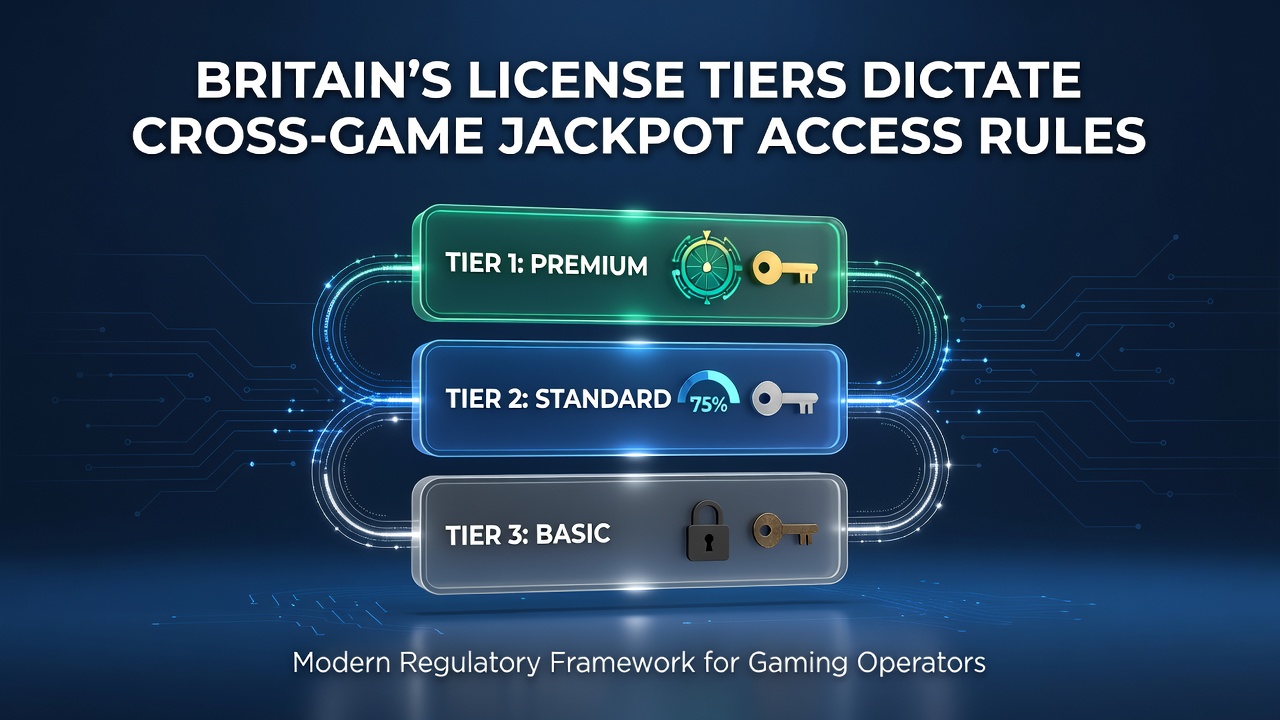
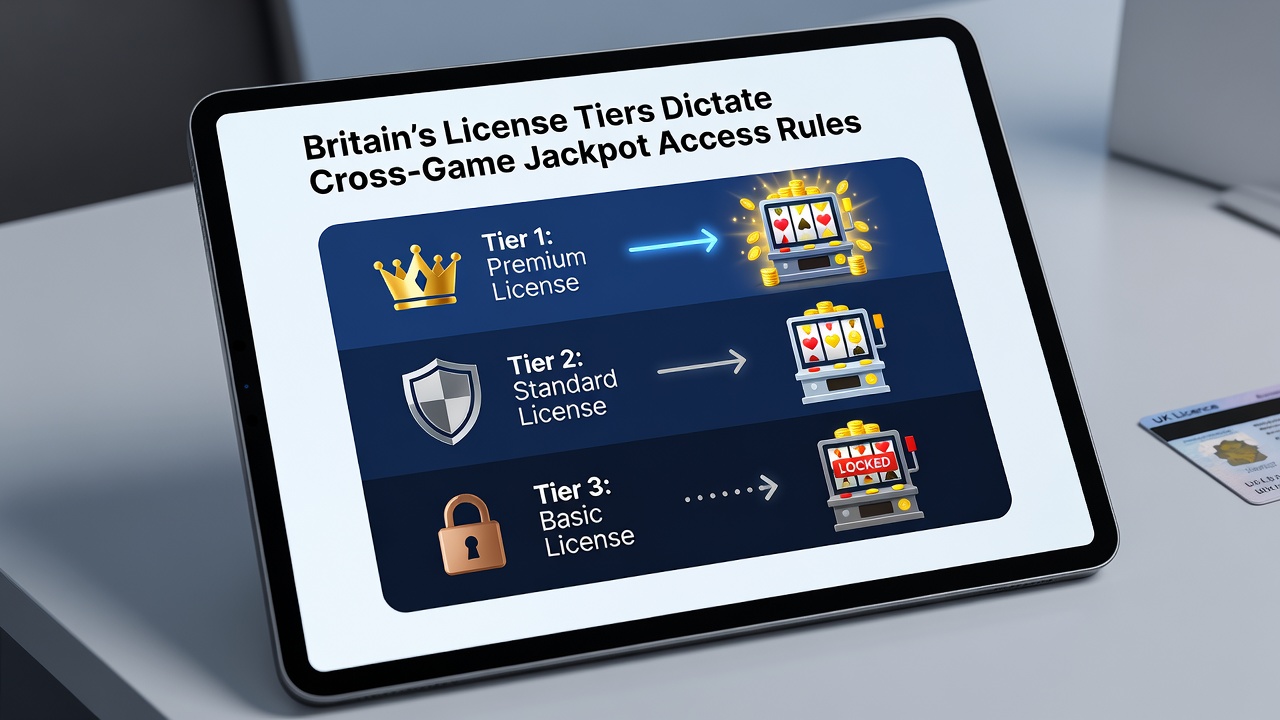
Britain operates a tiered licensing framework that directly controls which operators may pool progressive jackpots across game categories. Remote casino licenses fall into distinct tiers based on operational scope, and these distinctions determine whether jackpot contributions from slots can feed into live dealer blackjack pools or remain isolated within single-game verticals. Data from regulatory filings show that tier-one operators hold broader rights to aggregate funds across multiple game types while tier-two and tier-three licensees face strict separation requirements. Operators must declare their intended jackpot structures at the application stage, and subsequent changes require fresh approvals. This process creates clear boundaries: a tier-one license permits cross-game pooling that lets players accumulate contributions from both reel spins and card tables toward the same progressive meter, whereas lower tiers restrict meters to individual game families. Figures released in early 2025 indicated that 68 percent of active remote casino licenses operated under tier-two restrictions that block such pooling.Mechanics of Cross-Game Pooling Under Tier Rules
License conditions specify seed funding amounts, contribution percentages, and reset thresholds for any shared jackpot. Tier-one operators submit detailed network diagrams that map how slot wagers and blackjack side bets feed into a single prize pool, and regulators review these diagrams for compliance with fairness standards. Lower-tier operators must maintain separate meters, which prevents the same jackpot from appearing in both slot lobbies and live dealer rooms on the same platform.
Software providers configure jackpot engines to recognize the license tier embedded in each operator's certification file. When a player switches from a slot game to a blackjack table, the system checks the active license record before adding the wager to a shared meter. This automated gatekeeping ensures that only operators with explicit tier-one approval can display unified jackpot values across game types.
Player Access Patterns and Contribution Rules
Players encounter different jackpot displays depending on the operator's license tier. Accounts registered with tier-one sites show progressive values that update after both slot spins and blackjack hands, while accounts on tier-two platforms see separate counters that never merge. Contribution rates also vary by license class, with tier-one operators permitted to apply a combined rate capped at 3 percent across qualifying games, whereas tier-three operators remain limited to 1 percent within single-game categories.
July 2026 marks the scheduled implementation date for updated contribution reporting templates that all license holders must adopt. The new templates require operators to break down jackpot contributions by game type and license tier in monthly submissions. Analysts expect these filings to reveal whether tier-one operators continue expanding cross-game offerings or whether market pressure shifts more platforms toward tier-two structures with isolated meters.
Regulatory Comparisons and External Benchmarks
Observers compare Britain's tier system with frameworks used in other jurisdictions. Reports from the Nevada Gaming Control Board detail how multi-game progressive networks operate under a single statewide license, providing a contrast to Britain's segmented approach. Similarly, research published by the Gaming Laboratories International examines certification protocols that test jackpot engines for compliance across multiple regulatory models.
Those who've reviewed operator filings note that tier transitions remain rare because reclassification demands extensive system audits and increased financial reserves. Between 2023 and 2025 only four operators successfully moved from tier-two to tier-one status, each after demonstrating 18 months of clean compliance records and upgraded reserve accounts. Such moves expanded their ability to link slot and blackjack progressive meters for the first time.
Operational Implications for Software and Compliance Teams
Game studios must maintain separate jackpot modules for different license tiers. When an operator upgrades its license classification, developers reconfigure the jackpot server to recognize the new tier flag and enable cross-game contribution pathways. Compliance officers then conduct internal tests that simulate player sessions across slots and live tables to confirm that jackpot values update correctly without violating separation rules still applicable to lower-tier accounts.
Platform analytics show that players on tier-one sites place more frequent side bets in blackjack when those wagers feed a visible shared progressive. The same data sets indicate no corresponding increase in side-bet activity on tier-two sites where meters stay isolated. These patterns emerge consistently across quarterly performance summaries submitted by operators.
Conclusion
Britain's tiered licensing structure creates measurable differences in how progressive jackpots appear and accumulate across game categories. License conditions determine whether slot and blackjack contributions merge into unified pools or remain segregated, and operators must align their jackpot engines with the specific tier granted by regulators. The July 2026 reporting changes will add further transparency to contribution flows, allowing continued observation of how these rules shape jackpot availability on British-facing platforms.